
The Rule of Thumb (and the Exceptions)
If your garage door made it through hurricane season without a full inspection, treat the first cool, dry weekend as your deadline to check it before winter settles in. That's the rule for most homeowners here. The exceptions: if your door already sticks, drags, or groans, don't wait for a weekend—those are signs of damage that gets worse with every open-close cycle. And if you had any near-miss storm damage this season, even a door that still looks fine deserves a closer look, because bent tracks and stressed hardware don't always announce themselves right away.
What "Winter" Actually Means for a Garage Door Here
Winter in this part of Florida isn't about snow or ice—it's a shift from the heavy humidity and afternoon downpours of summer and hurricane season into cooler, drier air. That shift matters more than people expect. Wood and composite door panels that swelled slightly from months of moisture can shrink back down, changing how the door seals and how smoothly it rides in the track. Metal hardware that's been sitting in salt-laden, humid air all summer has had months to start corroding quietly. Cooler nights also mean lubricants that worked fine in August can thicken or behave differently, which shows up as new squeaks or stiffness you didn't notice before.
Inspect for Storm-Season Wear First
Before you do any routine maintenance, walk the door with fresh eyes and look for damage that hurricane-season wind and rain may have caused even without a major storm. Check for:
- Dents or bowing in panels, especially near the bottom where wind-driven debris tends to hit
- Tracks that have pulled slightly away from the wall or shifted out of alignment
- Water staining or warping at the bottom panel from standing water during downpours
- Cracked or brittle weatherstripping along the bottom seal
Wind-load-rated doors are built to flex and recover during storms, but repeated stress over a season can loosen fasteners and brackets even when the door looks undamaged. A quick visual check now is cheaper than discovering a problem mid-storm next season.
Rust and Corrosion from Salt Air
If you're anywhere near the coast, salt air is working on your garage door's metal components year-round, but it's easy to overlook during the business of hurricane season. Now is a good time to check:
- Spring coils for surface rust or pitting
- Hinges and rollers for stiffness or orange discoloration
- Bolts, brackets, and the track itself for corrosion at the mounting points
Light surface rust can often be cleaned and treated, but pitting on a torsion spring is a different story—a corroded spring is weaker than it looks and more likely to snap without warning. If you see pitting rather than just surface discoloration, that's a replacement issue, not a cleaning one.
Weatherstripping and Seals for Cooler Nights
As temperatures drop, gaps in weatherstripping that were tolerable in summer become more noticeable—cooler, drier air finds its way in more easily, and so does dust and debris carried in on windier winter days. Run your hand along the bottom seal and side seals looking for cracking, gaps, or sections that have come loose from the track. Replacing weatherstripping is inexpensive and one of the few garage door jobs most homeowners can do themselves in under an hour.
Lubrication and Hardware Checks
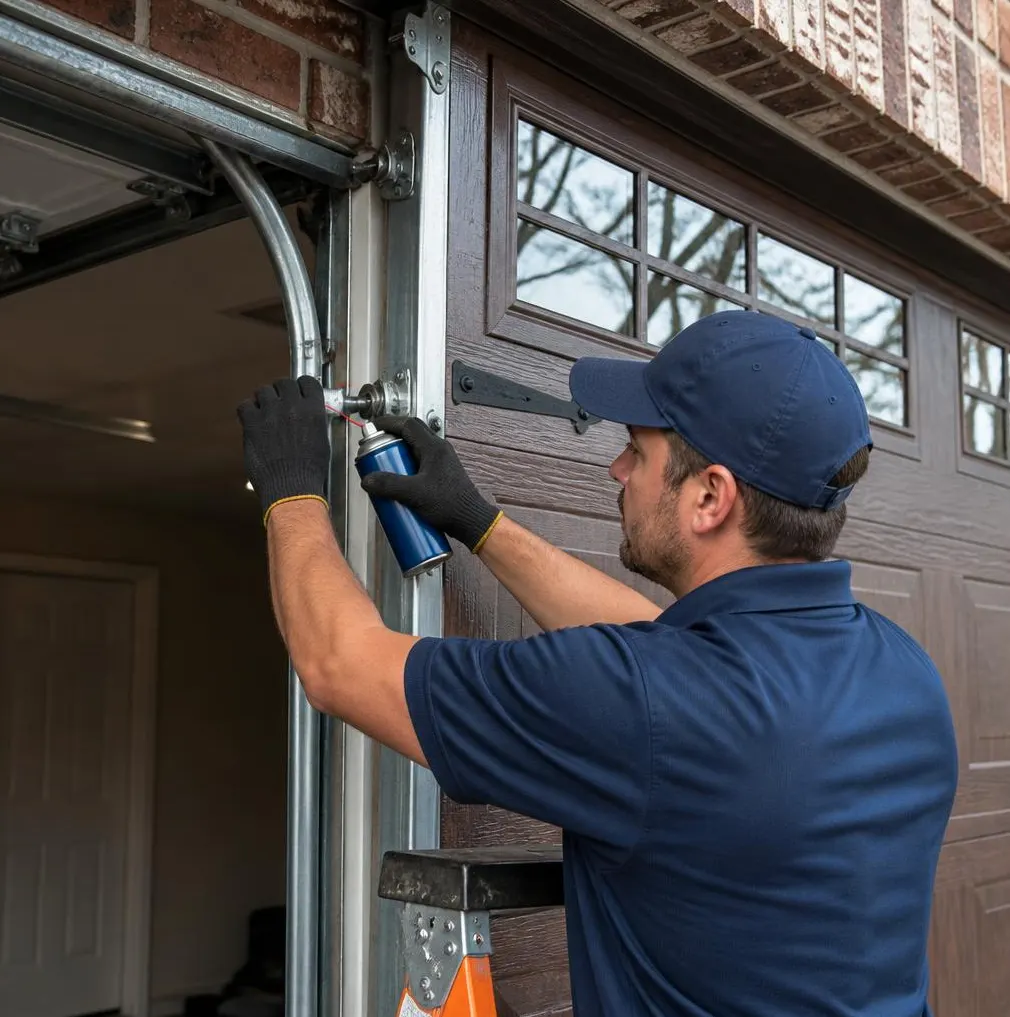
After a humid summer, hinges, rollers, and the track can benefit from a fresh lubrication cycle, especially if you notice new grinding or squeaking as the weather cools. Use a silicone-based or garage-door-specific lubricant rather than household oil, which attracts dust and grime. While you're at it, check that all visible bolts and brackets are snug—vibration from months of regular use loosens hardware gradually, and a loose bracket is often the first sign of a bigger alignment problem forming.
Opener and Sensor Maintenance
Humidity and moisture can affect the photo-eye sensors near the bottom of the track, sometimes causing a door to reverse unexpectedly or refuse to close. Wipe the sensor lenses clean and make sure they're still properly aligned facing each other. Test the auto-reverse safety feature by placing an object in the door's path—if it doesn't stop and reverse, that's not a cosmetic issue, it's a safety one that needs attention before you rely on the opener again.
Balance and Spring Tension
Disconnect the opener and lift the door manually about halfway. A properly balanced door will stay in place on its own; if it drifts down or shoots up, the spring tension has shifted, likely from a combination of seasonal temperature changes and normal wear. Don't attempt to adjust spring tension yourself—torsion springs are under enough force to cause serious injury if handled without the right tools and experience.
When to Call St. Petersburg Garage Door Pro
If your inspection turns up rusted or pitted springs, a door that won't stay balanced, misaligned sensors, or tracks that shifted during storm season, it's time to call in a technician rather than troubleshoot further yourself. We handle garage door spring replacement and garage door maintenance for homes and businesses throughout the area, and we can catch small issues—like early-stage corrosion or a slightly bent track—before they turn into an emergency repair later in the season.
If you're searching for a garage door company near 33710 or anywhere else in St. Petersburg, FL, give St. Petersburg Garage Door Pro a call today and get your door squared away before winter settles in.